Untitled design (31)
Loading ...

INFANT / CHILD NUTRITION

Why Nutrition matters

  • Supports brain development in early years.

  • Strengthens immunity against common infections.

  • Prevents lifestyle diseases like obesity, diabetes, and hypertension later in life.

  • Builds strong bones, teeth, and muscles.

  • Promotes mental well-being and focus during school and exams.

What parents can do

  • Maintain a meal schedule and avoid excessive snacking.

  • Involve children in meal planning and cooking to build healthy habits.

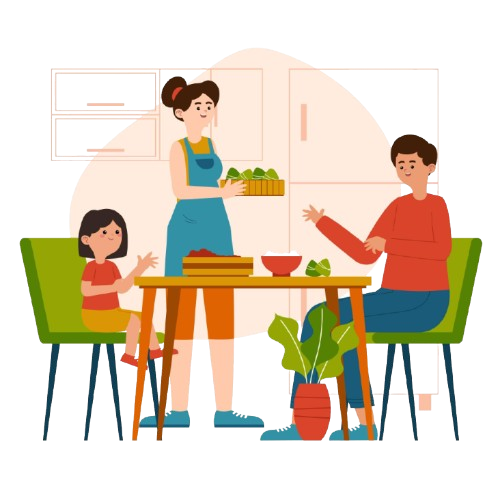
  • Encourage family meals for better bonding and mindful eating.

  • Regularly monitor growth charts with a pediatrician.

Infant & Child Nutrition

Infants (0–1 year)

  • Exclusive breastfeeding is recommended for the first 6 months.

  • Introduce complementary foods at 6 months while continuing breastfeeding.

  • Focus on iron-rich foods (mashed lentils, fortified cereals, pureed vegetables).

  • Avoid salt, sugar, and honey in the first year.

🧒 Toddlers & Preschoolers (1–5 years)

  • Provide balanced meals with fruits, vegetables, whole grains, pulses, and dairy.

  • Ensure adequate protein for growth (milk, eggs, dals, lean meats).

  • Encourage self-feeding to develop healthy eating habits.

  • Limit processed foods, fried snacks, and sugary drinks.

👦 School-age Children (6–12 years)

  • Nutrition should support learning, immunity, and physical activity.

  • A healthy lunchbox should include whole grains + protein + fruits/veggies.

  • Monitor portion sizes to prevent obesity.

  • Encourage water intake instead of soft drinks or packaged juices.

👩‍🦱 Adolescents (13–19 years)

  • Rapid growth during puberty requires extra calories, protein, calcium, and iron.

  • Girls need iron-rich foods to prevent anemia (green leafy vegetables, jaggery, beans, fish).

  • Boys need protein-rich foods for muscle development.

  • Counsel on balanced diet, body image issues, and avoiding fad diets.

  • Limit caffeine, junk food, and late-night snacking.

Call Now Button